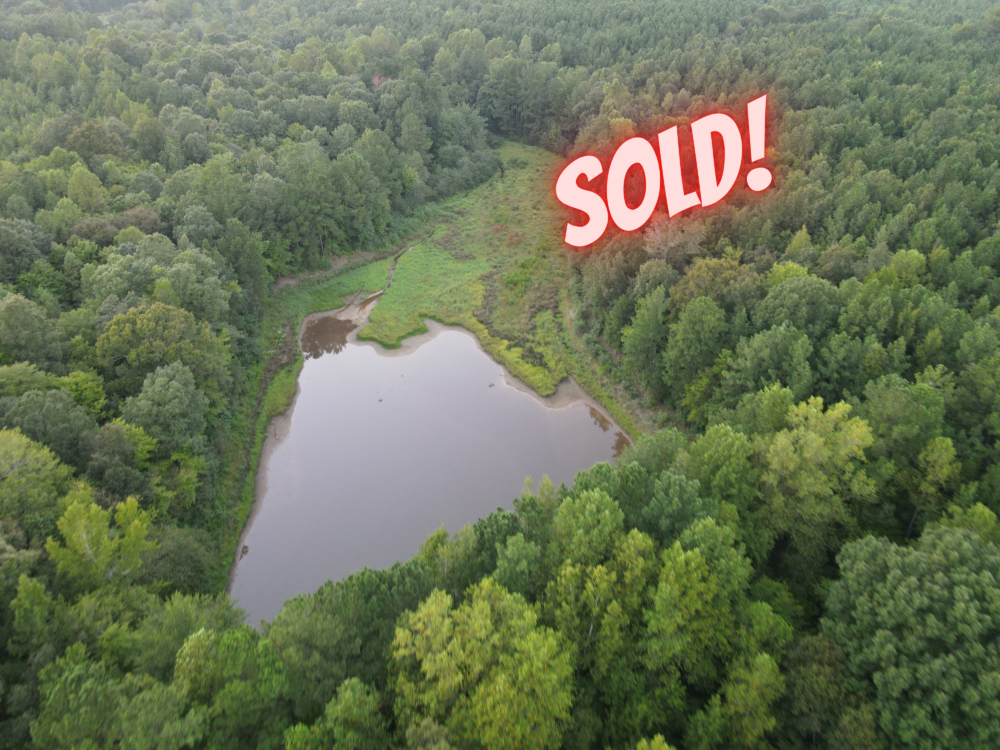

Receiving an unsolicited offer for your vacant land can be surprising, but a low-ball offer can be outright insulting. If you’re not looking to sell your property, such offers can simply be ignored. If you’re interested in selling your land, it’s important to know what it’s actually worth (hint: it’s not the low-ball offer price).
Market Vs Assessed Value
Market Value:
The price a property would sell for under normal conditions on the open market.
Assessed Value:
The amount assigned to a property by the local government to calculate property taxes.
Assessed value is usually less than market value. Sometimes significantly so. Like most real estate buyers, land flippers try to purchase land for the lowest possible price. Unlike residential properties, land may be a bit more difficult to determine the market value. This is why landowners may be more prone to selling their properties below market value.
Residential vs Land Valuation:
Determining the market value of a home is relatively straightforward. Comparable sales and price estimates are readily available from a variety of free sources, such as online home search databases and local realtors.
Determining the market value of land presents unique challenges. Finding good comps may prove difficult. Land sales are less common than home sales, and determining the best use for a property is not always easy for landowners.
Handling Vacant Land Offers:
You may have received an unsolicited text, letter, postcard, or call for a cash offer for your property. If you are considering selling, here are a few tips to consider:
1. Establish the market value for your property. You can do this by ordering an appraisal or by contacting a licensed real estate professional specializing in land. A licensed appraiser can provide you with the appraised value and assist you with determining what the property will likely sell for. A licensed real estate agent can assist you with determining the market value, list price, and selling your property if you choose to do so.
2. Entertain the cash offer. Once you establish the market value for your land, you can compare it with any potential offers. While land investors rarely, if ever, offer market value, the convenience of a quick cash closing may be worth consideration.
Ultimately, your individual situation will determine how you decide to handle offers. Knowing the market value of your land can help you make the best decision if you decide to sell. Let’s review a former client’s experience with this process.
Lowell Road. From Offer to Sold:
Mark, a land owner and custom home builder, called about a 6.73-acre residential vacant lot he owned near Durham, NC. He received a purchase agreement from an investor interested in purchasing the property for $47,811.30. Mark was looking to sell the property, so the offer piqued his interest.
Mark received several similar offers in the past and instinctively countered with $70,000. Until now, he hadn’t received a follow-up response. The investor responded via email, agreeing to the counteroffer of $70,000. The investor wanted to conduct a site inspection and close shortly thereafter.
Surprised at the response and with continued interest, Mark wanted my opinion before moving forward with a final contract. He wasn’t sure of the market value of his parcel or the legitimacy of this company. I advised him as follows:
-
- Request a Due Diligence Deposit or an Earnest Money Deposit at a minimum. There was a soil evaluation and septic permit on the property. There was also an updated survey. A serious buyer would bring these facts into consideration.
-
- Request a closing date. I advised against allowing a potential buyer to hold his property under an open-ended purchase contract. Especially since he was interested in selling the property. If the buyer proved unable to close within a reasonable timeframe, an open-ended contract could potentially prevent him from moving forward with a serious buyer.
-
- The market value of his property was between 85k and 95k based on comparable sales and the unique characteristics of his property. I informed Mark that if he was ok with the 70k purchase price, I recommended moving forward with the offer, as there was no guarantee of getting full market value through a traditional sale.
Being an experienced custom home builder and no stranger to real estate transactions, Mark proceeded with a counteroffer at 70K, and the suggested terms. He wanted to list and sell the property on the open market if the deal fell through.
Mark reached back out after several weeks, ready to list the property. I didn’t ask what happened with the buyer, but I believe they were unwilling to pay the asking price of 70K, or didn’t agree with the terms. We listed the property at 95k and closed within about 30 days at the full asking price. Approximately twice the amount of the initial unsolicited offer.
Conclusion:
Unsolicited land offers are usually significantly lower than market value. I often have clients report offers a fraction of what the property could sell for on the open market. While the convenience of an all-cash, fast close may be suitable to meet immediate needs, knowing the market value is usually the best starting point.